
EEG Procedure
How long will a routine EEG last?
Usually your brain waves will be recorded for about 20 to 40 minutes. It takes about the same amount of time to prepare for the recording, so the entire procedure usually takes 1 to 1½ hours. You can help by washing your hair the night before or the day of the test. Don't use any conditioners, hair creams, sprays, or styling gels.
Prepare for Your Appointment
Download the Lifestyle & Communication ToolkitWhat Happens During The EEG?
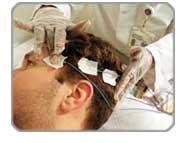
The test is performed by an EEG technologist. First, the technologist will measure your head so they can put the electrodes in the right place. A wax crayon, which can be easily washed off later, is used to mark the points on your scalp where the electrodes should be placed.
The electrodes are usually held in place by a paste that is easy to wash off when the test is over. The technologist will probably scrub each position on your scalp with a mildly abrasive cream before applying the electrodes. This helps give a high quality recording.
The EEG room is quiet and often dimly lit. During the test, the technologist may ask you do things like:
- Open and close your eyes several times.
- Look at flashing lights.
- Breath rapidly or deeply.
- Tell her if you feel any seizure symptoms coming on during the test.
If you fall asleep during the test, that's fine. It may even be helpful, because an EEG while you are asleep may give extra information. Sometimes doctors ask patients to stay up the entire night before an EEG, because sleep deprivation can increase the chance "epilepsy waves" will be recorded.
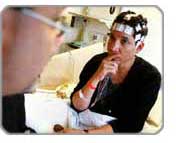
After the EEG recording is done, the technologist will take the electrodes off your scalp. Then you can go home and wash the paste out of your hair. The doctor usually reads the EEG after you have left. Be sure to make a follow-up appointment so your doctor can tell you the results of the EEG.
Removing EEG Glue
Jessica Chappell and Dr. French share tips on removing stubborn EEG glue. Watch the full webinar for more epilepsy monitoring unit tips. This video clip is from Capturing the Waves: How to Best Prepare for an EMU Stay.
Resources
Epilepsy Centers
Epilepsy centers provide you with a team of specialists to help you diagnose your epilepsy and explore treatment options.
Epilepsy Medication
Find in-depth information on anti-seizure medications so you know what to ask your doctor.
Epilepsy and Seizures Helpline
Call our Epilepsy and Seizures Helpline and talk with an epilepsy information specialist or submit a question online.
Tools & Resources
Get information, tips, and more to help you manage your epilepsy.
Related Stories


People & Community
Finding the Right School Fit for Your Child with Epilepsy & Special Needs
Read Story
