Healthy Living and Epilepsy
What Does Healthy Living Mean?
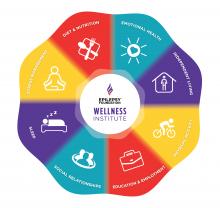
Healthy living means different things to different people. If you have epilepsy, healthy living may mean having more energy, sleeping well, managing stress, staying active, or eating healthier foods.
Many people with epilepsy report good overall health, even when they have seizures. However, epilepsy can affect both physical and emotional health in ways that are not always obvious.
Living a healthy lifestyle can support your overall well-being and may help you effectively manage your epilepsy symptoms.
How Can Epilepsy Affect Your Health?
Epilepsy is more than a seizure disorder. It can affect many parts of your daily life.
People with epilepsy may experience:
- Injuries related to seizures, such as falls, broken bones, head injuries, or aspiration pneumonia.
- Side effects from anti-seizure medications that may affect mood, memory, thinking, bone health, or other parts of the body.
- Other health conditions that impact quality of life.
- Stress, anxiety, depression, or social challenges.
Understanding these challenges can help you and your healthcare team make informed decisions about your care.
What Does Research Show About Epilepsy and Health?
Research from the Centers for Disease Control and Prevention (CDC) and other organizations show that people with active epilepsy often face additional health challenges.
Active epilepsy usually means a person is taking epilepsy medication and/or has had a seizure within the past year.
Compared to adults without epilepsy, adults with active epilepsy are more likely to:
- Smoke cigarettes
- Get less physical activity
- Not sleep enough
- Have other chronic health conditions
- Report worse overall health
- Experience problems with mood, memory, or thinking
- Have challenges with work and everyday activities
- Report more unhealthy days, especially when seizures have occurred recently
How Can Epilepsy Affect Children?
Children with epilepsy may face challenges in several areas of development, including:
- Self-care skills
- Movement and coordination
- Hand use and fine motor skills
- Learning and school performance
- Communication
- Behavior and social interactions
Every child is different. Early support and appropriate treatment can help children reach their full potential.
Can Your Overall Health Affect Seizures?
Yes. Your overall health can play an important role in seizure control.
For example:
- Poor sleep can increase the risk of seizures.
- High stress levels may trigger seizures in some people.
- Illnesses and certain medical conditions can affect seizure control.
- Some medications used for other health conditions can interact with anti-seizure medications or increase seizure risk.
Taking care of your physical and emotional health may help you manage seizures and improve your quality of life.
Why Is Safety Important?
Your overall health can also affect your safety.
Problems with balance, strength, mobility, memory, or thinking may increase the risk of injury during a seizure.
Working with your healthcare team to understand your personal risks and create a safety plan helps you stay safer and feel more confident in daily life.
Start Your Healthy Living Journey
Healthy living is an important part of epilepsy self-management. Small changes made over time can help you better manage epilepsy. You do not have to change everything at once.
Choose one area of your health to focus on today. Small, consistent steps add up over time. Every positive change you make is a step toward living healthier and thriving with epilepsy.
References
Resources
Epilepsy Centers
Epilepsy centers provide you with a team of specialists to help you diagnose your epilepsy and explore treatment options.
Epilepsy Medication
Find in-depth information on anti-seizure medications so you know what to ask your doctor.
Epilepsy and Seizures Helpline
Call our Epilepsy and Seizures Helpline and talk with an epilepsy information specialist or submit a question online.
Tools & Resources
Get information, tips, and more to help you manage your epilepsy.
Related Stories


People & Community
Finding the Right School Fit for Your Child with Epilepsy & Special Needs
Read Story
