
Vagus Nerve Stimulation (VNS) Therapy
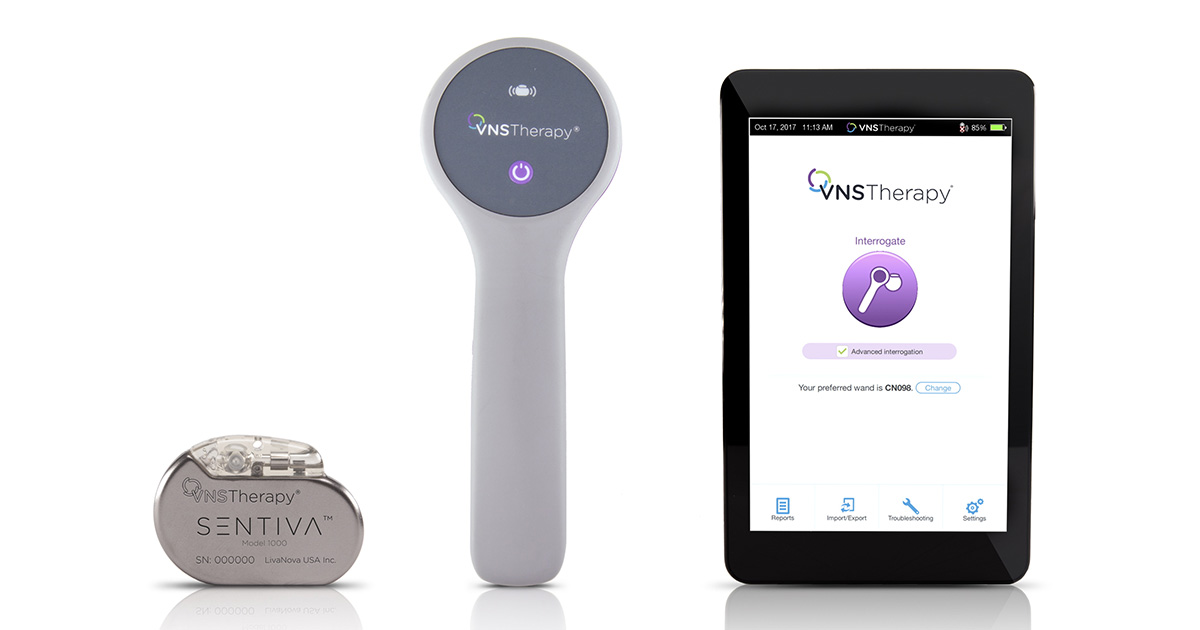
Vagus nerve stimulation (VNS) with SenTivaTM VNS Therapy® by LivaNova
What Is VNS Therapy®?
VNS (vagus nerve stimulation) is an FDA-approved treatment for adults and children 4 years and older. It is used along with seizure medications to treat focal seizures that do not respond to medicine (called drug-resistant epilepsy).
VNS sends regular, mild electrical signals to the brain through the vagus nerve. This may reduce how often seizures happen, how long they last, and how severe they are. Some people also recover faster after seizures and report a better quality of life.
The vagus nerve is part of the autonomic nervous system, which controls body functions we do not think about, like heart rate, breathing, and digestion. It carries signals between the brain and the body.
How Does It Work?
What the Device Does
The VNS device is placed under the skin in the upper left chest. A thin wire connects it to the vagus nerve in the neck.
The device sends small electrical signals to the brain at regular times. It works automatically, so the person does not need to do anything.
Most people do not feel the stimulation. Some may notice a hoarse voice when the device turns on.
If a person senses a seizure, they can swipe a magnet over the device to send an extra burst of stimulation. This may help shorten or stop the seizure.
Some newer devices can also detect a rapid increase in heart rate and send extra stimulation automatically.
How It Affects the Brain
VNS is one of the three types of neuromodulation. It changes how brain cells work using electrical currents.
Doctors do not fully understand how it works, but it may:
- Increasing blood flow in key brain areas
- Change levels of brain chemicals that help control seizures
- Alter brain activity during a seizure
How Helpful Is VNS?
VNS does not cure epilepsy, but it can help decrease how often seizures occur, their severity, and shorten the recovery time after the seizures.
- About a 28% decrease in seizures in the first 3 months
- Improvement may increase over time:
- 36% decrease after 6 months
- 58% after 4 years
- Other reported benefits:
- Faster recovery after seizures
- Better quality of life (about 8 out of 10 people)
- Less worry and better alertness (about 6 out of 10 people)
- Less severe seizures (about half of people)
When Is VNS Used?
VNS is used for people with drug-resistant epilepsy (seizures continue after trying at least two medications at optimal doses).
VNS is an add-on treatment, meaning it is used with medication. In some cases, medication doses may be reduced.
It may be recommended if:
- Surgery is not an option
- Surgery did not work
- Patients do not want to consider surgery
Who Can Get VNS?
An evaluation at an epilepsy center is recommended. Key considerations:
Type of seizures
VNS works best for focal seizures. It does not treat non-epileptic events, but some people with other types of epilepsy (such as generalized epilepsy and Lennox-Gastaut syndrome) may benefit.
Medication history
Doctors will confirm that seizures are truly drug-resistant. They will review whether the correct medications were prescribed at optimal doses and whether other treatment approaches have been tried without success.
Other health conditions
VNS may not be suitable for people with:
- Significant breathing problems (e.g., asthma, sleep apnea)
- Certain heart conditions
Some people with abnormal or slow heart rhythms may need to avoid certain device settings.
Follow-up care
Work with your epilepsy team to plan regular clinic visits. The device will be monitored and adjusted.
Support
It helps to have support from family or friends. Most people adjust to the device over time, and settings can be changed to reduce side effects.
Types of VNS Devices
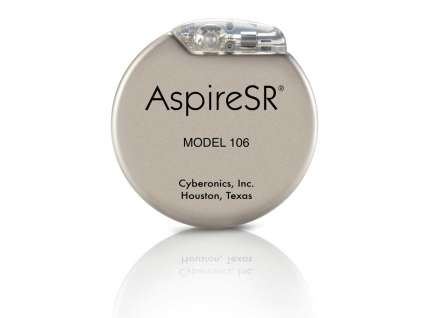
AspireSR® Model
This model can detect a rapid heart rate and respond automatically.
It includes:
- Normal mode: Regular stimulation
- Auto mode: Extra stimulation when heart rate rises
- Magnet mode: Extra stimulation when activated with a magnet

SenTivaTM and SentivaDUOTM
These newer models:
- Allow different settings during the day and night
- Track device activity and events
- Allow more flexible programming over time
All three stimulation modes are included.
Important Notes
VNS should be managed by an epilepsy specialist, who can decide if it is appropriate and adjust the settings based on individual needs.
The VNS Therapy® implant devices are built by LivaNova. Additional information on their website.
Images on this page included with permission from LivaNova.
Learn More:
Contact Our HelplineResources
Epilepsy Centers
Epilepsy centers provide you with a team of specialists to help you diagnose your epilepsy and explore treatment options.
Epilepsy Medication
Find in-depth information on anti-seizure medications so you know what to ask your doctor.
Epilepsy and Seizures Helpline
Call our Epilepsy and Seizures Helpline and talk with an epilepsy information specialist or submit a question online.
Tools & Resources
Get information, tips, and more to help you manage your epilepsy.
Related Stories


Press Releases
New Joint Statement Highlights Seizure Detection Devices as Tool for Safety in Epilepsy Care
Read Story Press Releases
Epilepsy Foundation of America Awards $250,000 at 14th Annual Shark Tank Competition
Read Story