Epilepsy Surgery
What You Need to Know
Epilepsy surgery has been a treatment used to help control seizures for over 100 years! Improvements in modern methods have made epilepsy surgery safer and more available than ever before.
To begin, people with epilepsy need accurate and current information about treatments available to control seizures. It is important to know the following:
- Recent national survey data suggests that 56% of adults taking seizure medications report having seizures in the past year.
- Studies show that between 30 to 40% of people have drug resistant epilepsy.
- Only 5 to 10% of people with drug resistant epilepsy will achieve complete seizure control with different or more seizure medicines.
- Some types of epilepsy surgery may lead to seizure freedom and an improved quality of life in up to 80% of people with drug resistant epilepsy.
Epilepsy surgery can be overwhelming to consider. Many people are unsure if surgery can help them. Surgery needs to be considered as an option for people whose seizures are not controlled with medications, dietary therapy, or implanted devices.
Factsheet
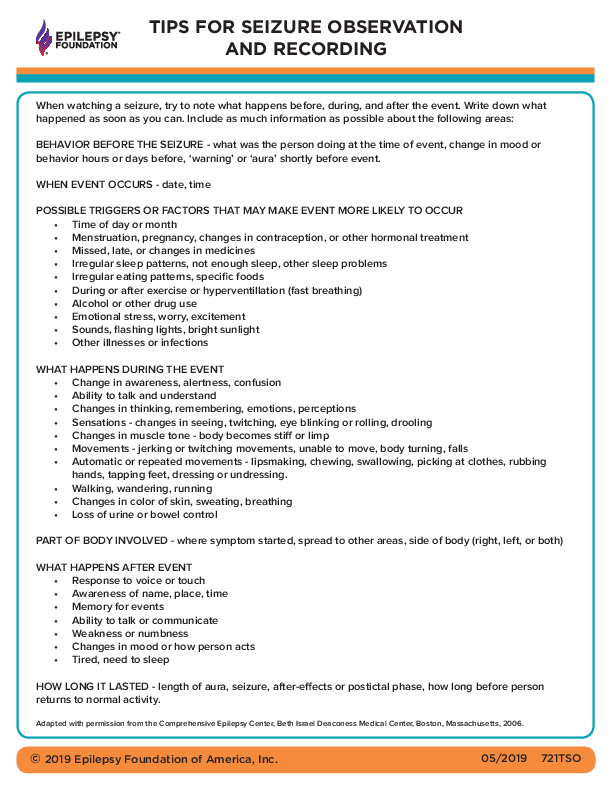
Download this factsheet to learn about how epilepsy surgery works, when surgery may be recommended, and what types of surgery may help:
This video describes the journey of considering epilepsy surgery. Learn about risk factors, things to consider, different types of surgery and more.
Family Stories About Surgery
My Journey with Epilepsy Surgery: Bob Smith
In this video, a father talks about his son's epilepsy. Going from managed seizures, his son's seizure worsened and they went through a successful epilepsy surgery process.
Three Months After Gage's Surgery
In this video, Gage answers questions about his epilepsy surgery.
Learn More:
Family StoriesEpilepsy Centers for Surgery

Epilepsy centers are hospitals dedicated to epilepsy treatment. They can assist with your journey to surgery and will include key members of an epilepsy healthcare team.
Learn More:
Epilepsy CentersWho can epilepsy surgery help?
Epilepsy surgery can help many people who are experiencing continued seizures. Every person with uncontrolled seizures should discuss the possibility of epilepsy surgery with their doctor. Find out if you are a surgery candidate by talking to your doctor.
Frequently Asked Questions About Surgery
What are goals and expectations related to surgery?
Every treatment a doctor recommends has an intended goal specific to each person. Learn about general treatment goals, setting personal goals, and managing expectations around epilepsy surgery.
What are the risks and benefits of surgery?
All surgery has some risk associated with it. The risks related to epilepsy surgery and how they compare to the risks of uncontrolled seizures will vary. Understand the benefits of surgical treatment, including the potential for freedom from seizures, the possibility of reducing anti-seizure medication, and an improved in quality of life. Learn more about risks and benefits.
What testing is done prior to epilepsy surgery?
Testing is done to carefully plan for a surgery. This leads to better results. Tests may include a neurological exam, imaging, and monitoring. Read about the different types of testing done prior to surgery.
Are there different types of epilepsy surgery?
Advances in science and technology have led to new epilepsy surgery options. They include resections, callosotomies, laser therapies and more. Learn about the different types of epilepsy surgery currently available.
How do I prepare for epilepsy surgery?
Once your epilepsy team has determined you as a surgery candidate, you can start to prepare. Ask your doctor any questions you have and learn what is required. You and your family can start planning in the days and weeks prior to surgery.
What can I expect during my recovery from surgery?
Recovering from epilepsy surgery is different for every person. The more you know about what to expect, the better prepared you will be. Learn about general aspects of recovering from surgery and the impact surgery may have on you and your family.
The Epilepsy Foundation is grateful for support from Mayo Clinic and their epilepsy medical and surgical experts in helping prepare this section of epilepsy.com. The Epilepsy Foundation is solely responsible for editorial oversight and management of this content.
For more information about epilepsy surgery, or to find help linking to an epilepsy center near you, call 1-800-332-1000 (en Español 1-866-748-8008) and speak with our caring team of professionals.
Resources
Epilepsy Centers
Epilepsy centers provide you with a team of specialists to help you diagnose your epilepsy and explore treatment options.
Epilepsy Medication
Find in-depth information on anti-seizure medications so you know what to ask your doctor.
Epilepsy and Seizures Helpline
Call our Epilepsy and Seizures Helpline and talk with an epilepsy information specialist or submit a question online.
Tools & Resources
Get information, tips, and more to help you manage your epilepsy.